

Understanding Lockjaw: Causes and Treatments
Lockjaw, or trismus, causes jaw stiffness and pain. Learn common causes, symptoms, and effective treatments to restore jaw movement.
Lockjaw, or trismus, causes jaw stiffness and pain. Learn common causes, symptoms, and effective treatments to restore jaw movement.
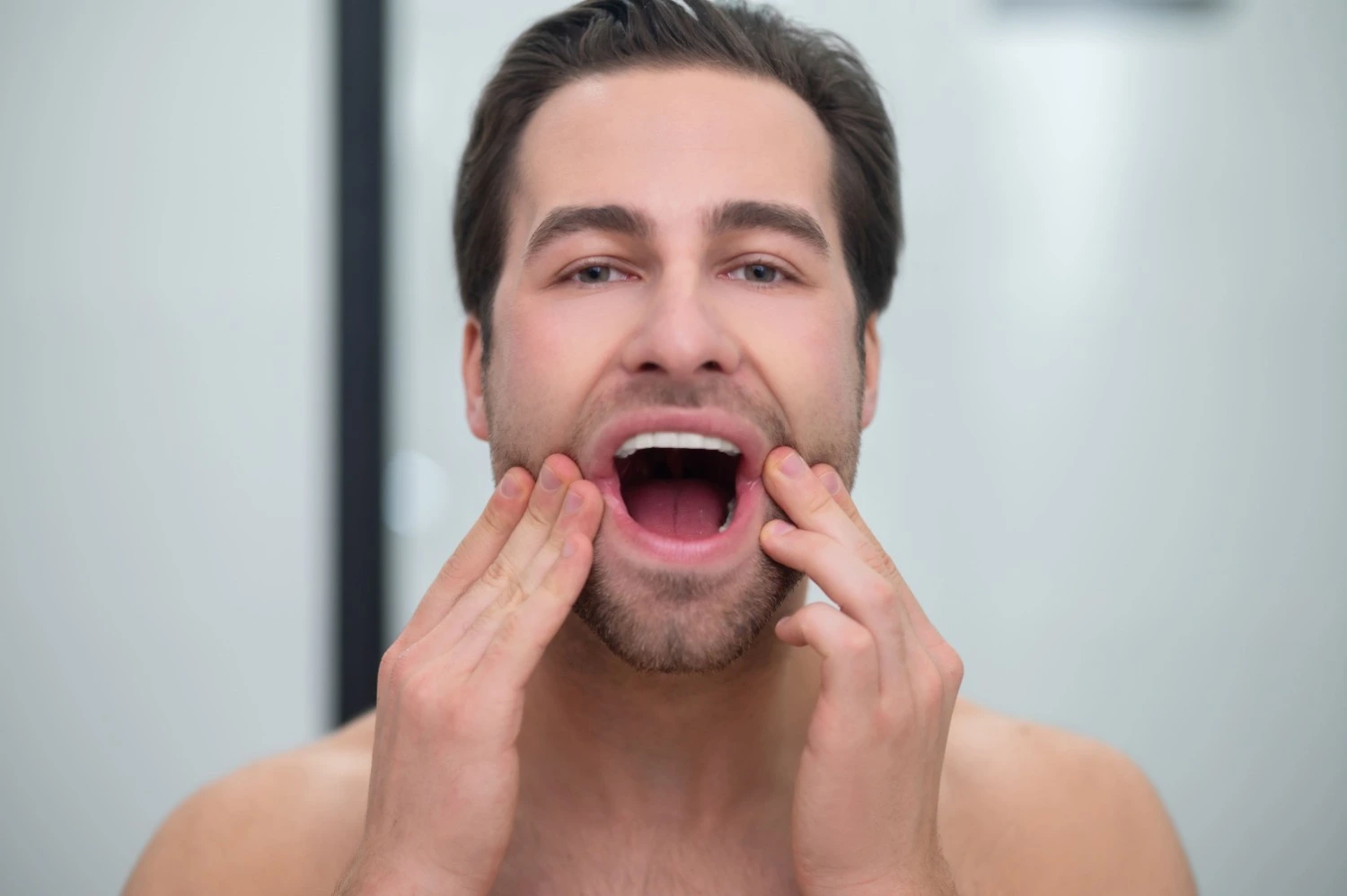
Lockjaw (also called trismus) is a condition where the jaw muscles tighten or spasm, making it difficult to open the mouth fully. It can affect basic functions like eating, speaking, and, in severe cases, breathing. Understanding its causes and treatment options is important for effective management.
Practicing good oral hygiene, managing stress, and seeking prompt treatment for dental issues can help prevent lockjaw. With proper care, most cases improve significantly, allowing normal jaw movement for smiling, chewing, and talking without discomfort.
Schedule an appointment with our experienced dentist for personalized jaw pain relief.

Expect nothing less than comprehensive dental care in our comfortable facility!


No insurance? No problem. Limited spots available, book yours today.
Takes 30 seconds to book online



.webp)
